




Braking vs Propulsive Phase: What the Data Means
Two athletes can hit the same jump height with opposite force-time curves. How to read the braking and propulsive phases of a CMJ and what to train.

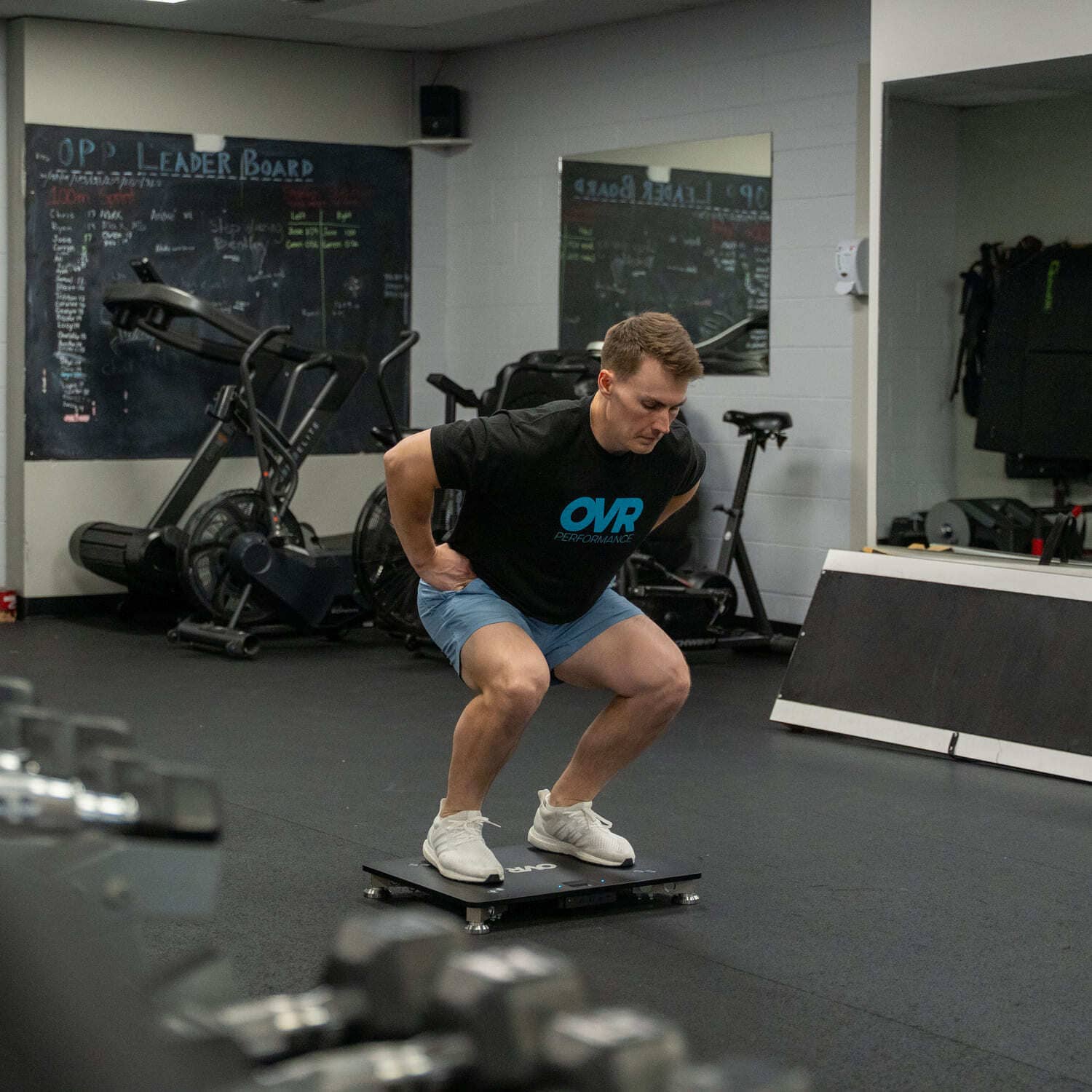
Track Performance Across a Full Season With Force Plates
Run the same baseline, retest, trend, act loop pro programs use with one force plate. What to track, how often, and how to tell a real change from noise.
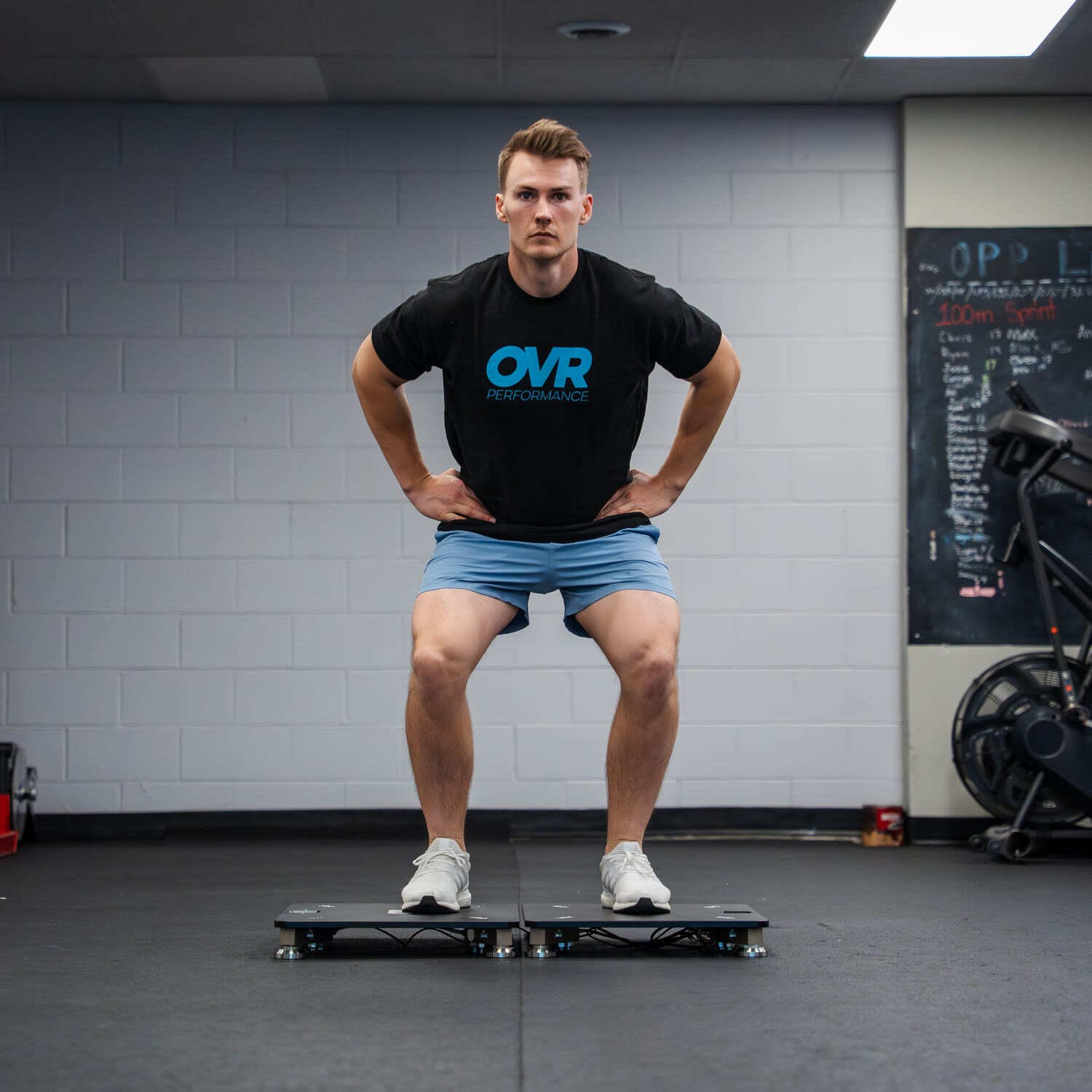
How to Build an Athlete Baseline Profile with Force Plate Data
Build a per-athlete force plate baseline: which metrics repeat, what to standardize, how many trials, and how to tell a real change from daily noise.
How to Monitor Athlete Readiness and Fatigue with Weekly CMJ Testing
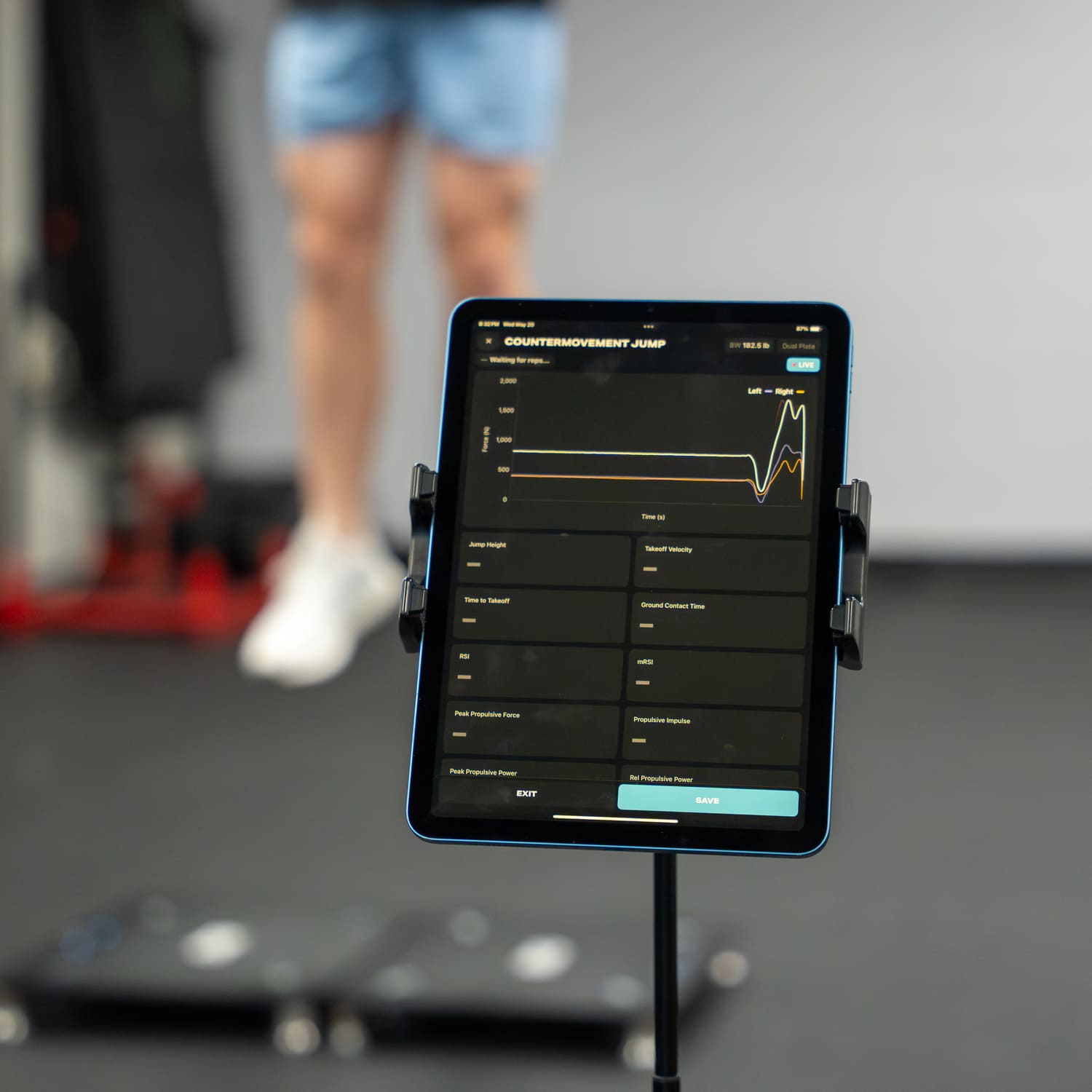
Use a weekly countermovement jump to monitor athlete readiness and fatigue: which two or three metrics to watch and what to change when a number drops.
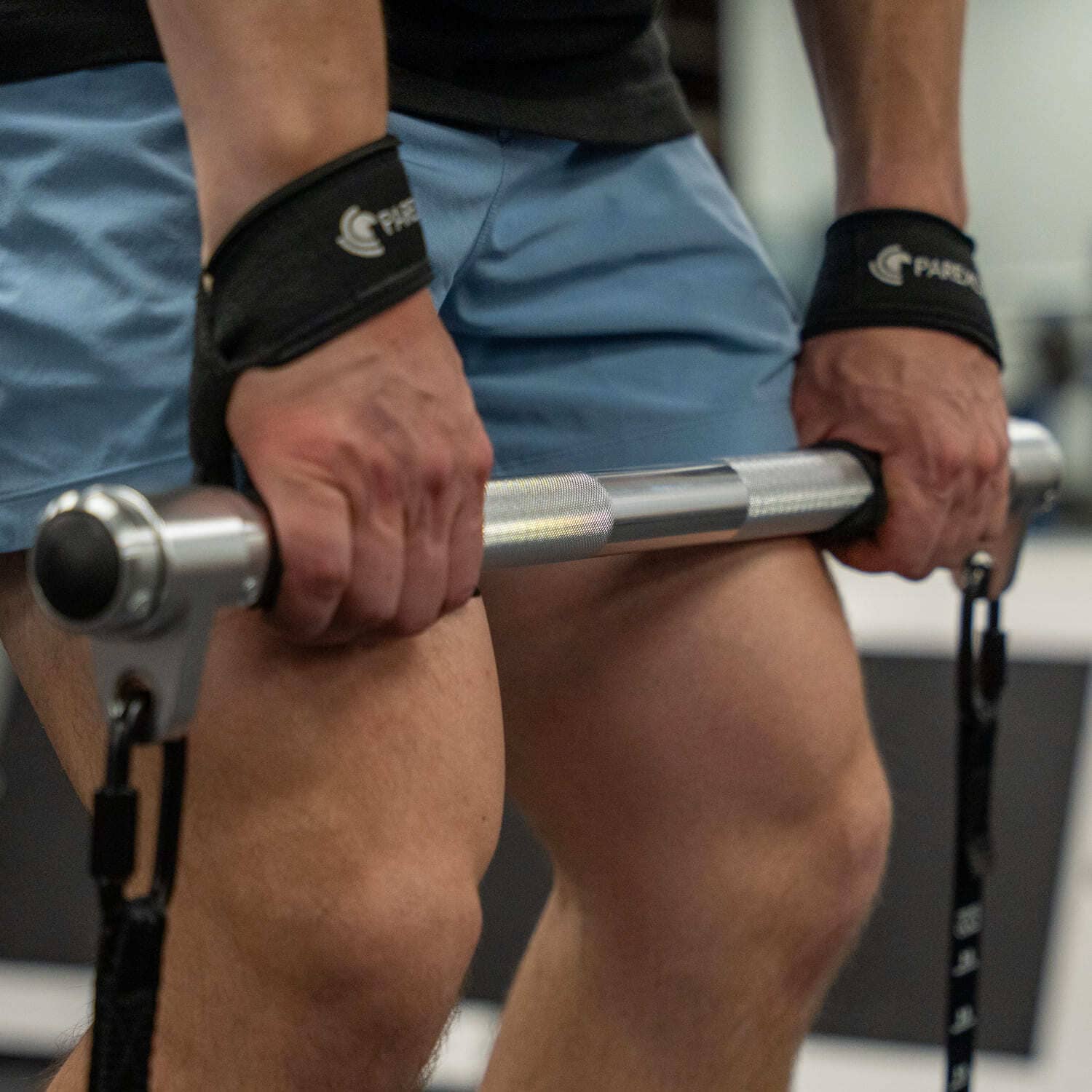
IMTP Benchmarks by Sex and Level
IMTP peak force benchmarks by sex and level in net x bodyweight, how to read net vs gross, and how to turn the number into a training decision.
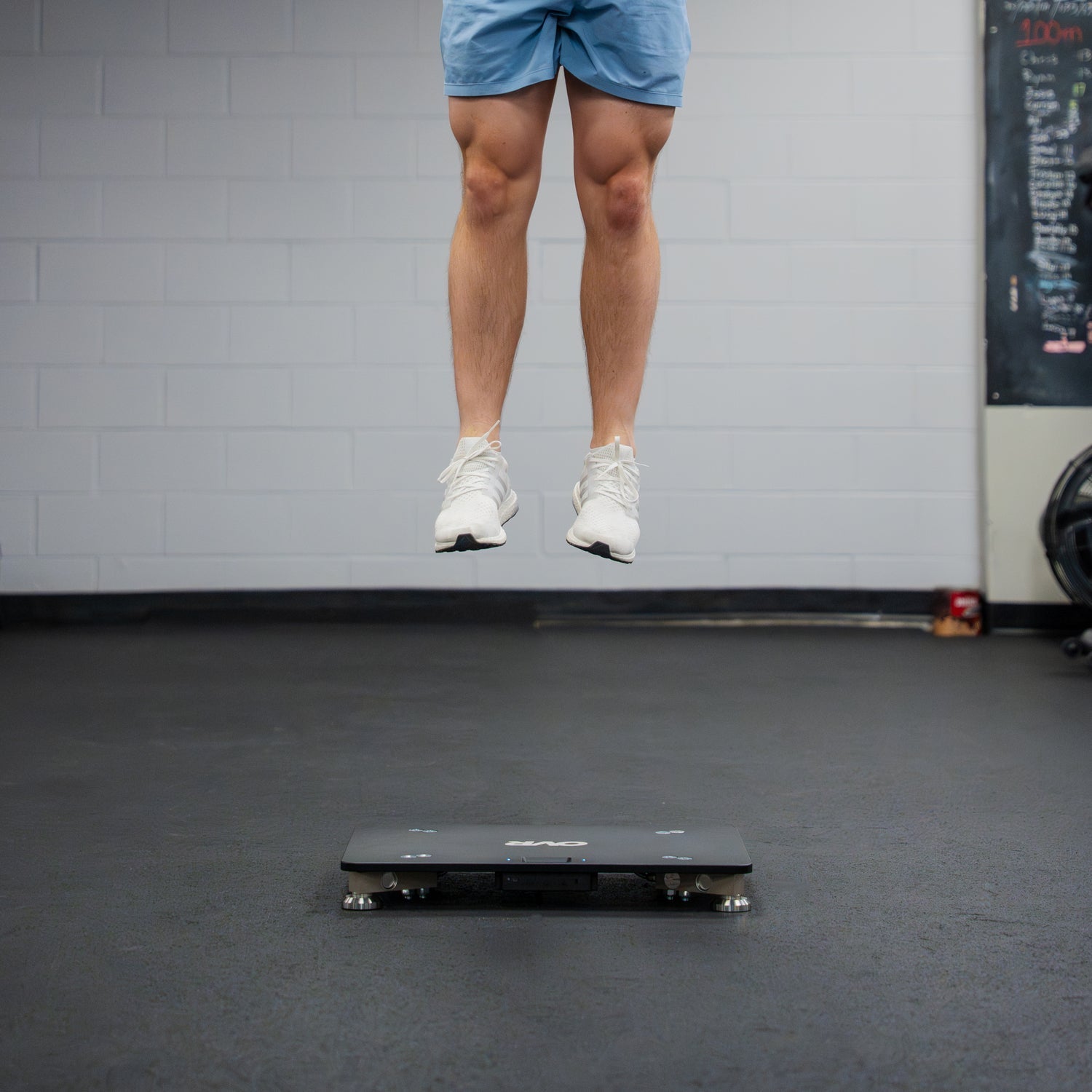
CMJ Norms by Age, Sport, and Competition Level
Sourced countermovement jump (CMJ) jump-height norms by age, sport, and competition level, drawn from peer-reviewed force-plate research.