


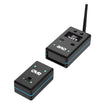


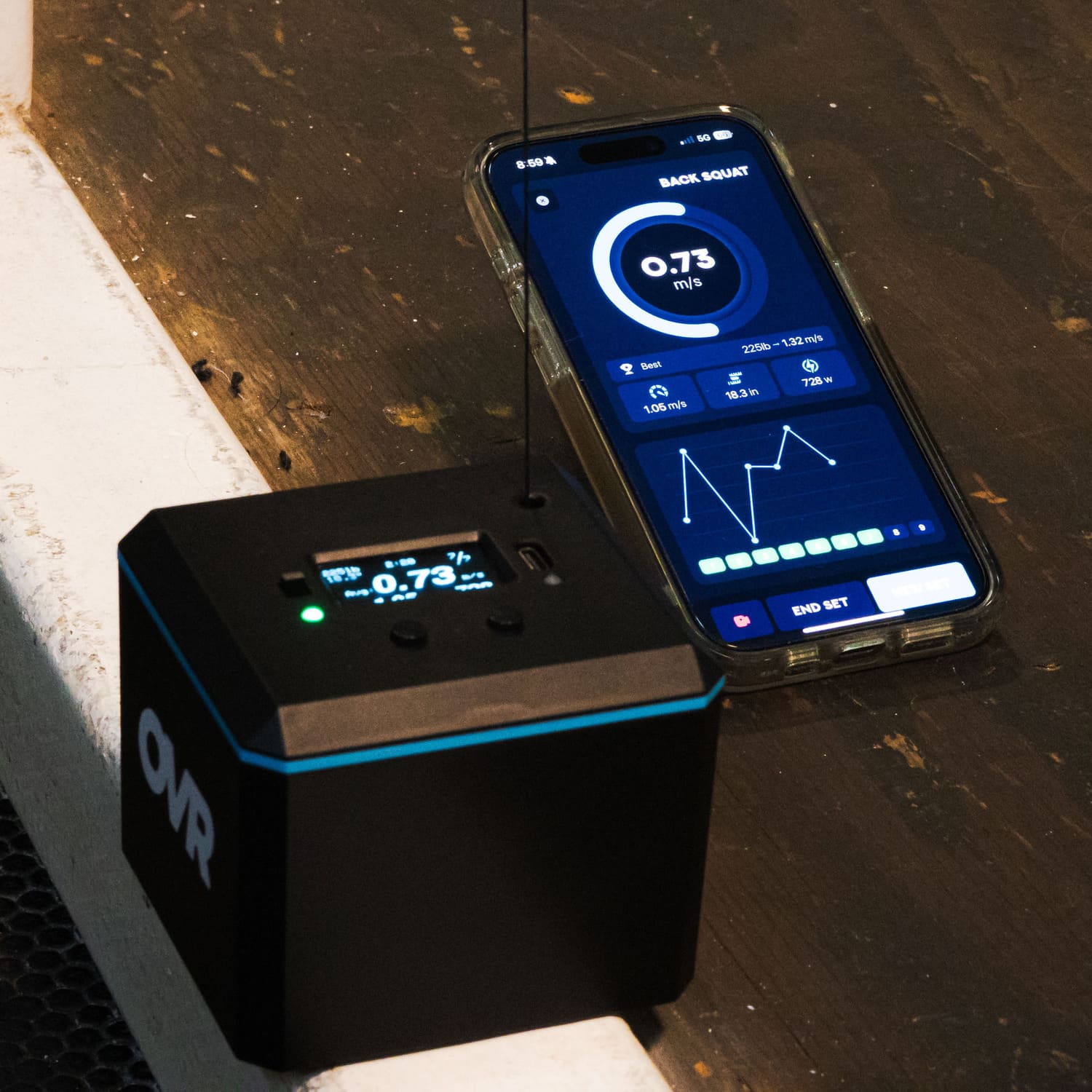
Velocity Zones Explained: What Each Bar Speed Actually Trains
The five velocity zones by average bar speed, what quality each one trains, why a speed target beats a fixed percentage day to day, and how to run a zone in a live session.
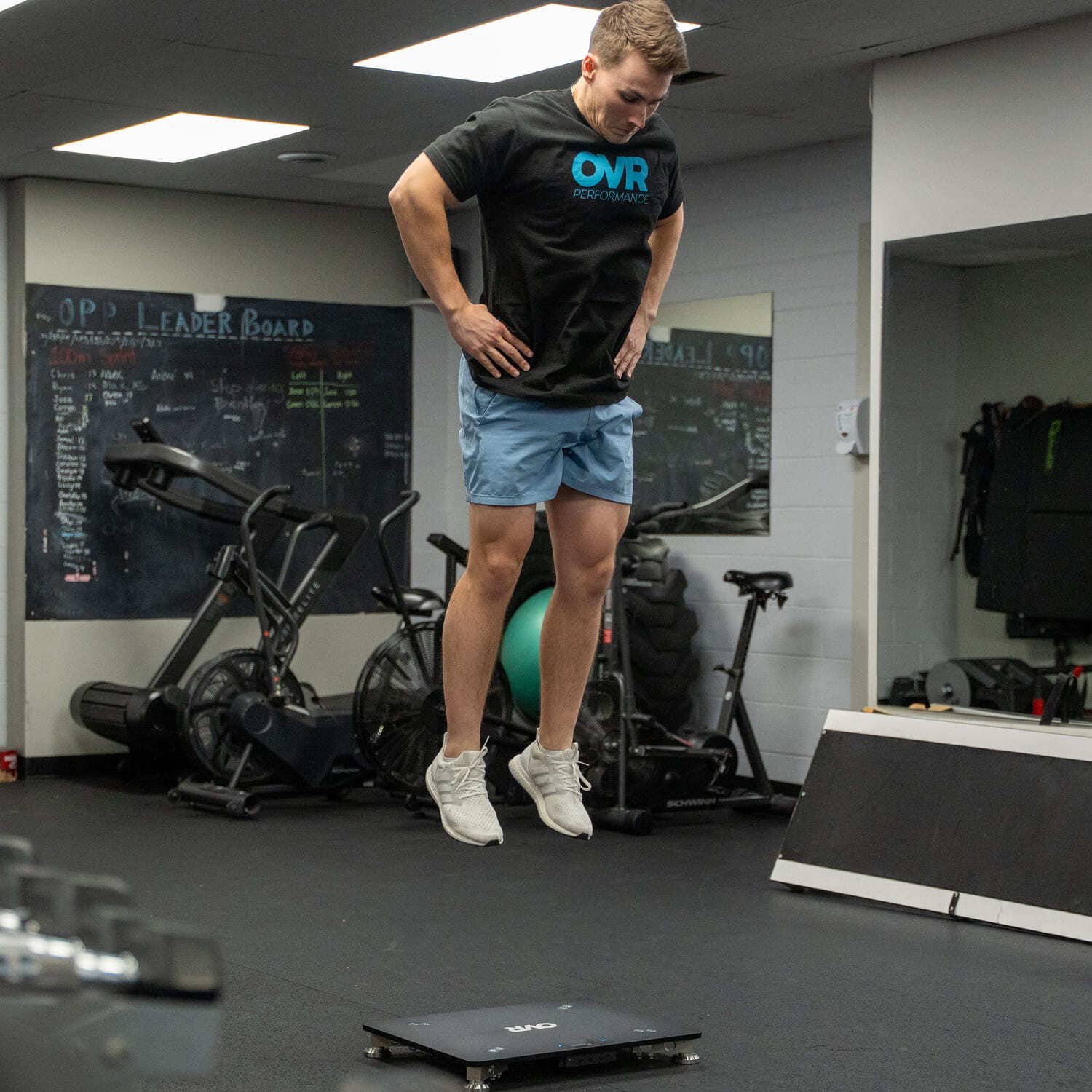
Why Jump Height Numbers Vary Between Force Plates
Why the OVR Force reads three to four inches higher than other force plates. It measures jump height from the standing position, so the plantar-flexion rise stays in, while ballistic plates start a...
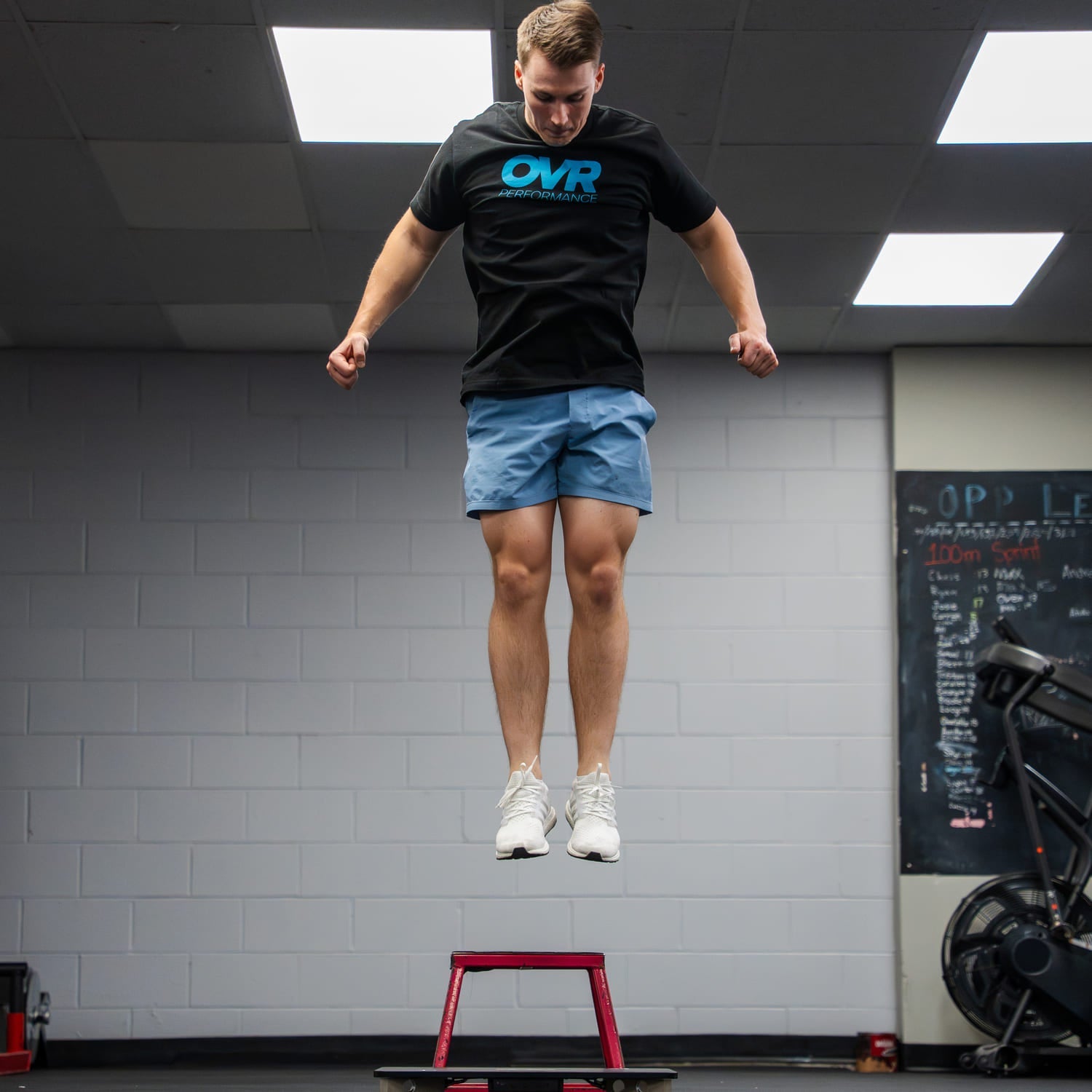
How to Run a Drop Jump Test and Measure RSI
A field protocol for a clean drop jump test on a force plate: box height, coaching the rep, spotting junk reps live, and which RSI scale your number is on.
What 1000 Hz Sampling Rate Actually Means for Your Force Plate Data
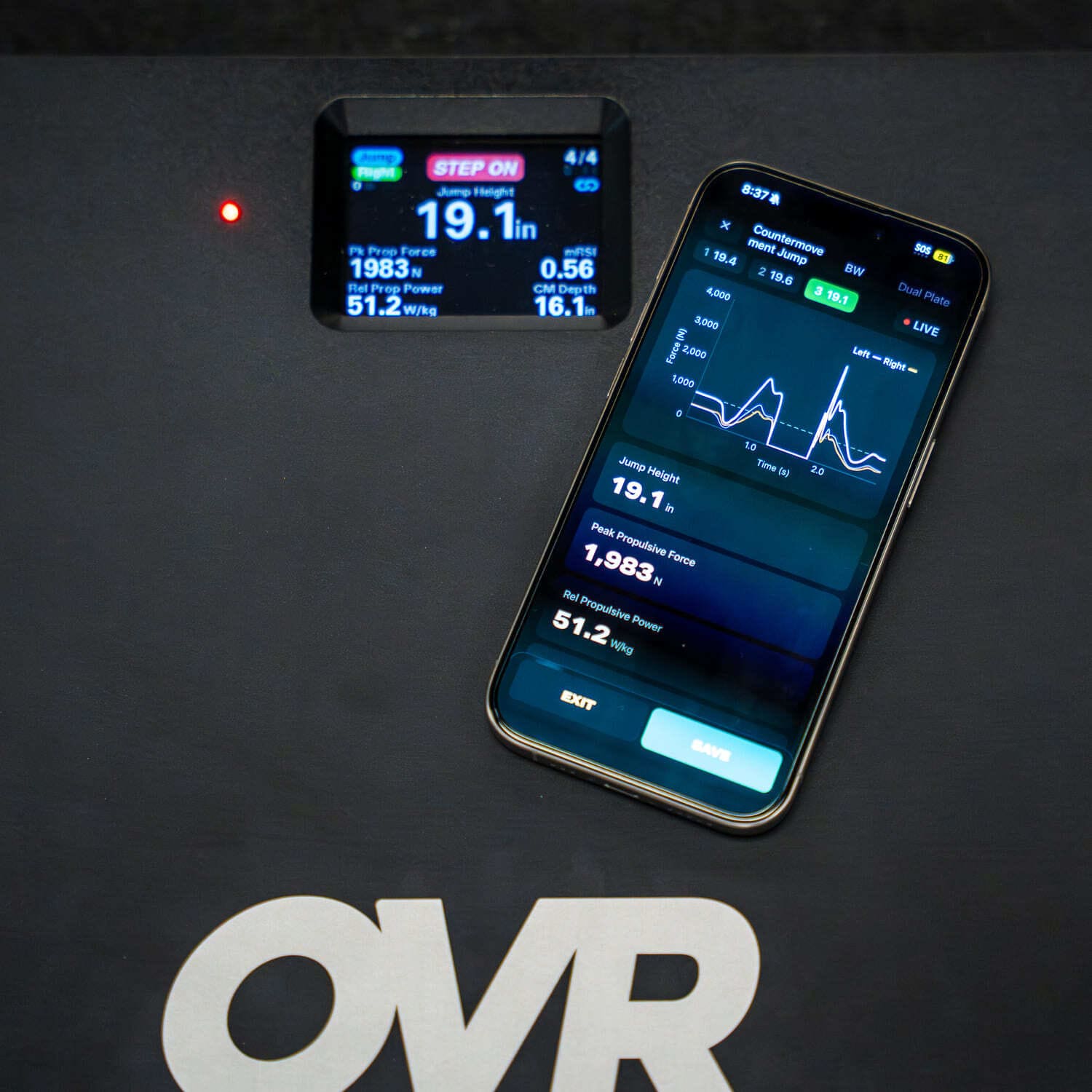
What force plate sampling rate means: why 1000 Hz is the floor, which metrics break at low rates, and where a higher number stops mattering.
When to Act on a Force Plate Asymmetry Number, and When to Ignore It
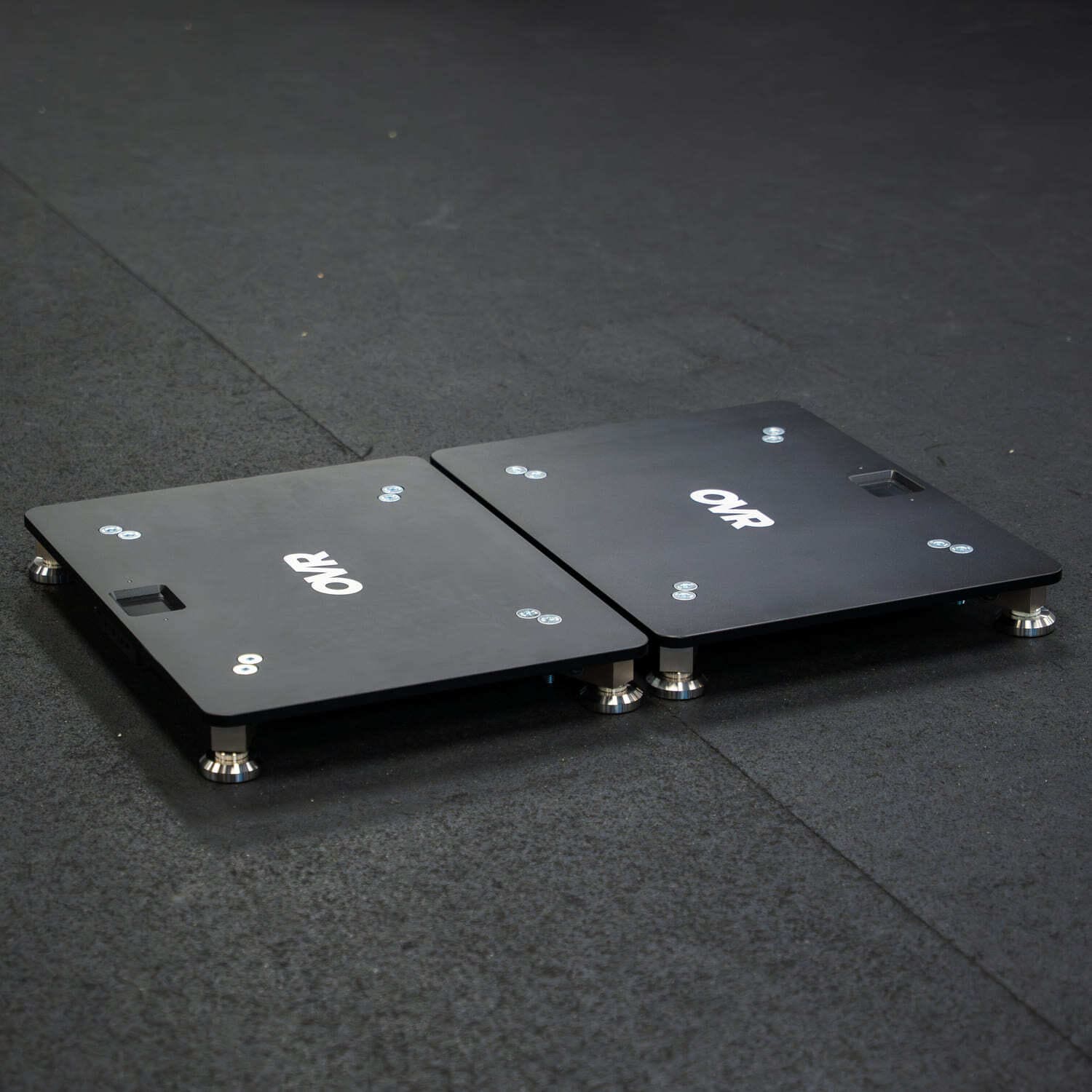
The 10 percent force plate asymmetry line is borrowed, not validated. Act only when the gap beats the athlete's own variability and repeats in direction.
Flight Time vs Impulse-Momentum: Why Your Force-Plate Jump Height Depends on the Method
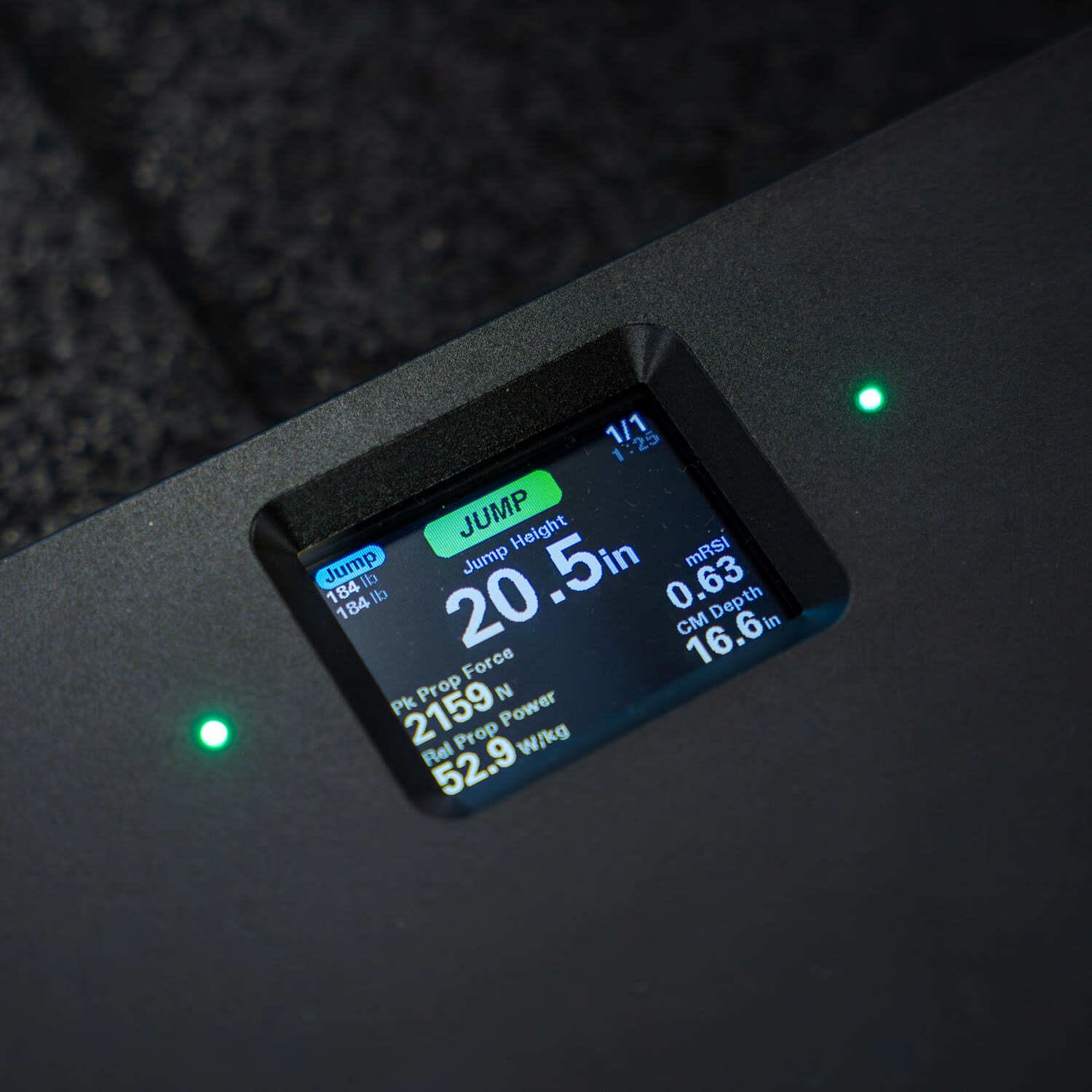
Flight time vs impulse-momentum jump height: why the same force-plate jump gives two numbers, which one OVR Force uses, and how to compare a number to a benchmark without getting it wrong.