






What "Explosive" Actually Means
An explosive athlete produces force in four different ways. What each one is, how to measure it, and which one to train.
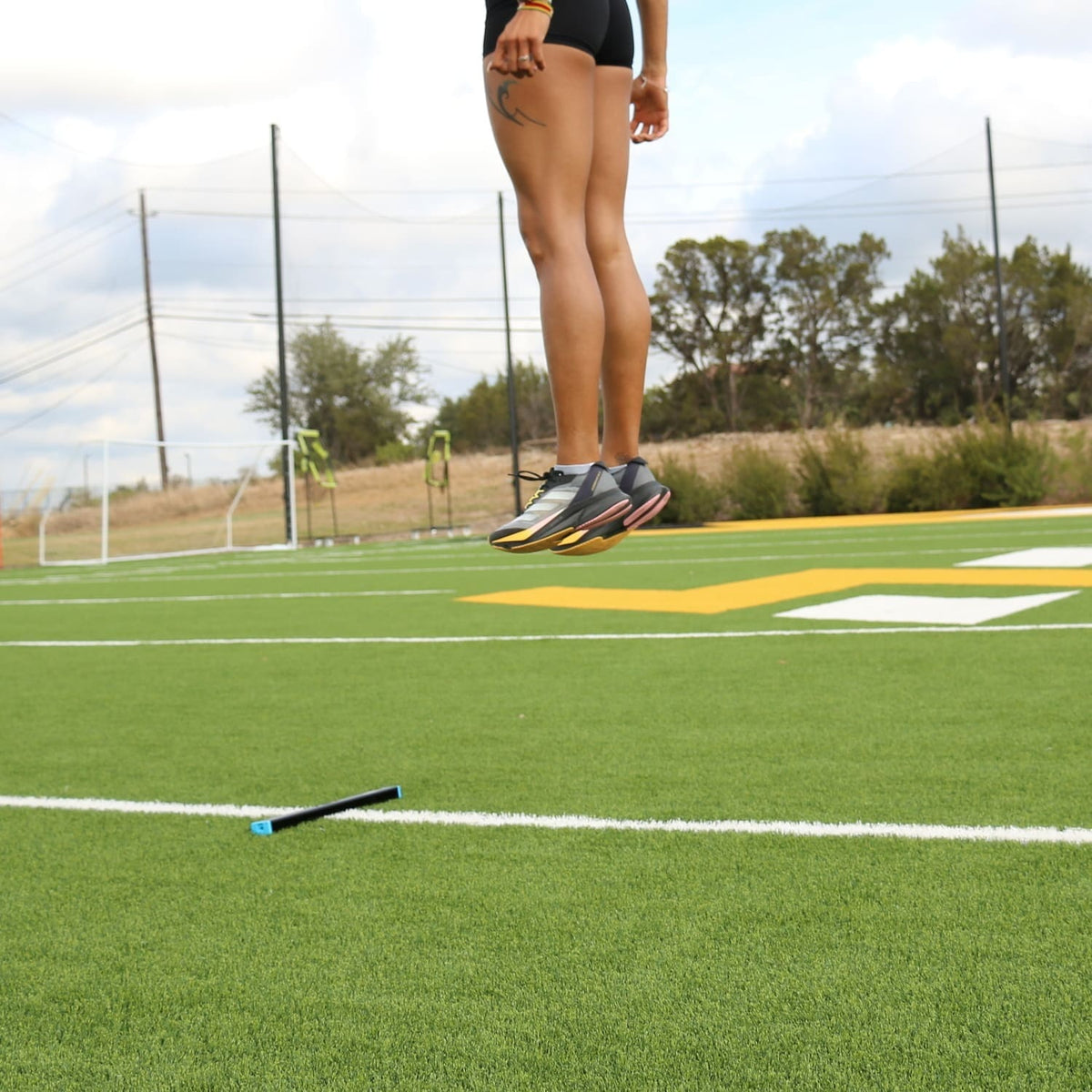
How to Jump Higher: What Works and How to Check It
How to jump higher, ranked by evidence: the three things that raise a vertical jump, the one that is holding you back, and when it to call it progress.

Can a Heavy Squat Make You Jump Higher? What Contrast Training Really Does
How much a heavy lift before jumps really helps, how long to rest in between, and what else contrast training improves.

What Age Can Kids Start Lifting Weights?
What age can kids start lifting? There is no minimum age. What appropriate load looks like, and why jumping and sprinting matter more right now.

How Many Jumps Per Week Should an Athlete Do?
Plyometric volume is counted in foot contacts, and the right weekly number changes with training level and drill intensity. Here is how to find it.

What the 60, the 30, and the 10yd Dashes Measure in Baseball
The 60, the 30, and the 10 each measure something different. Benchmark times for each baseball speed test, and how the start protocol changes the number.