




Why Jump Height Numbers Vary Between Force Plates
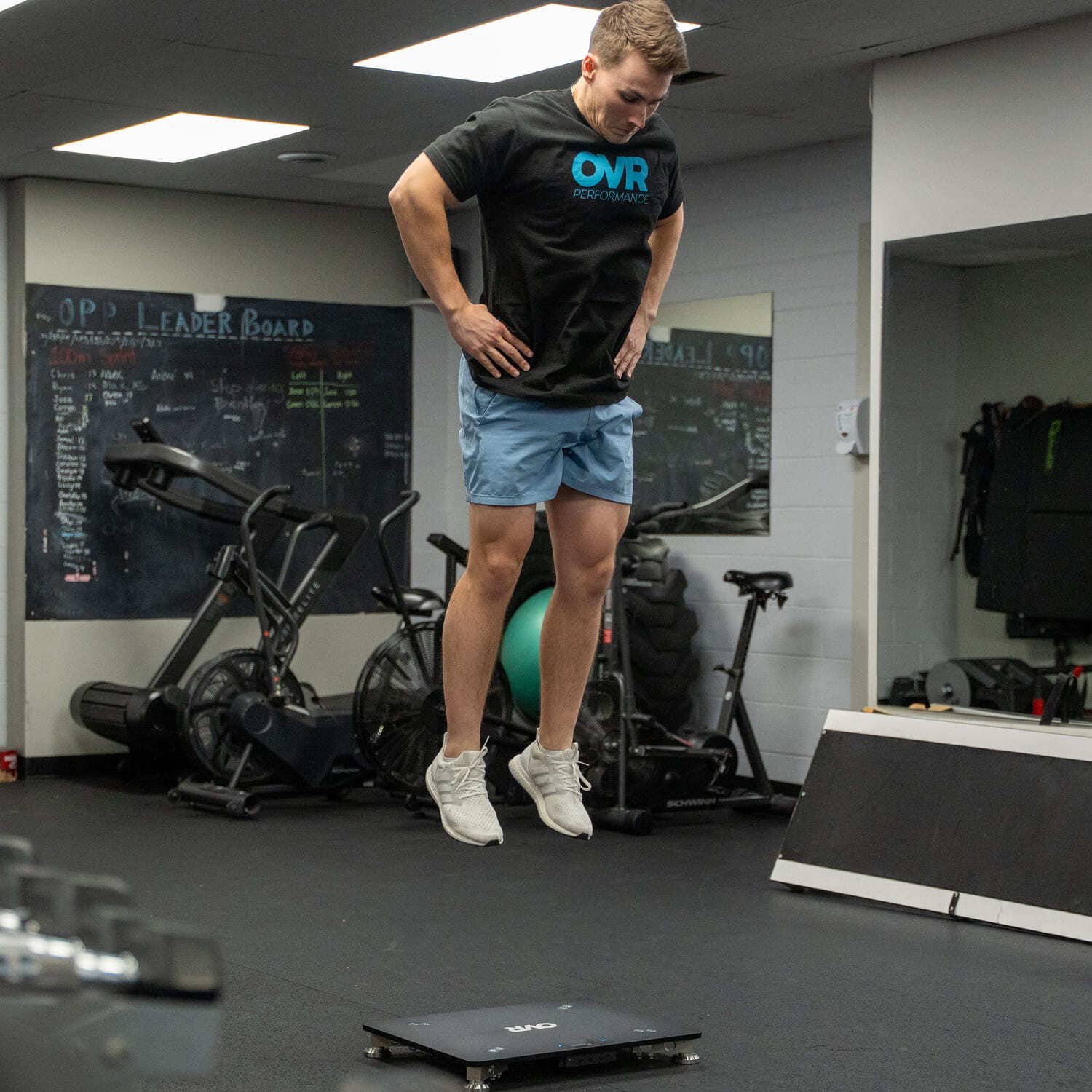
Why the OVR Force reads three to four inches higher than other force plates. It measures jump height from the standing position, so the plantar-flexion rise stays in, while ballistic plates start a...
When to Act on a Force Plate Asymmetry Number, and When to Ignore It
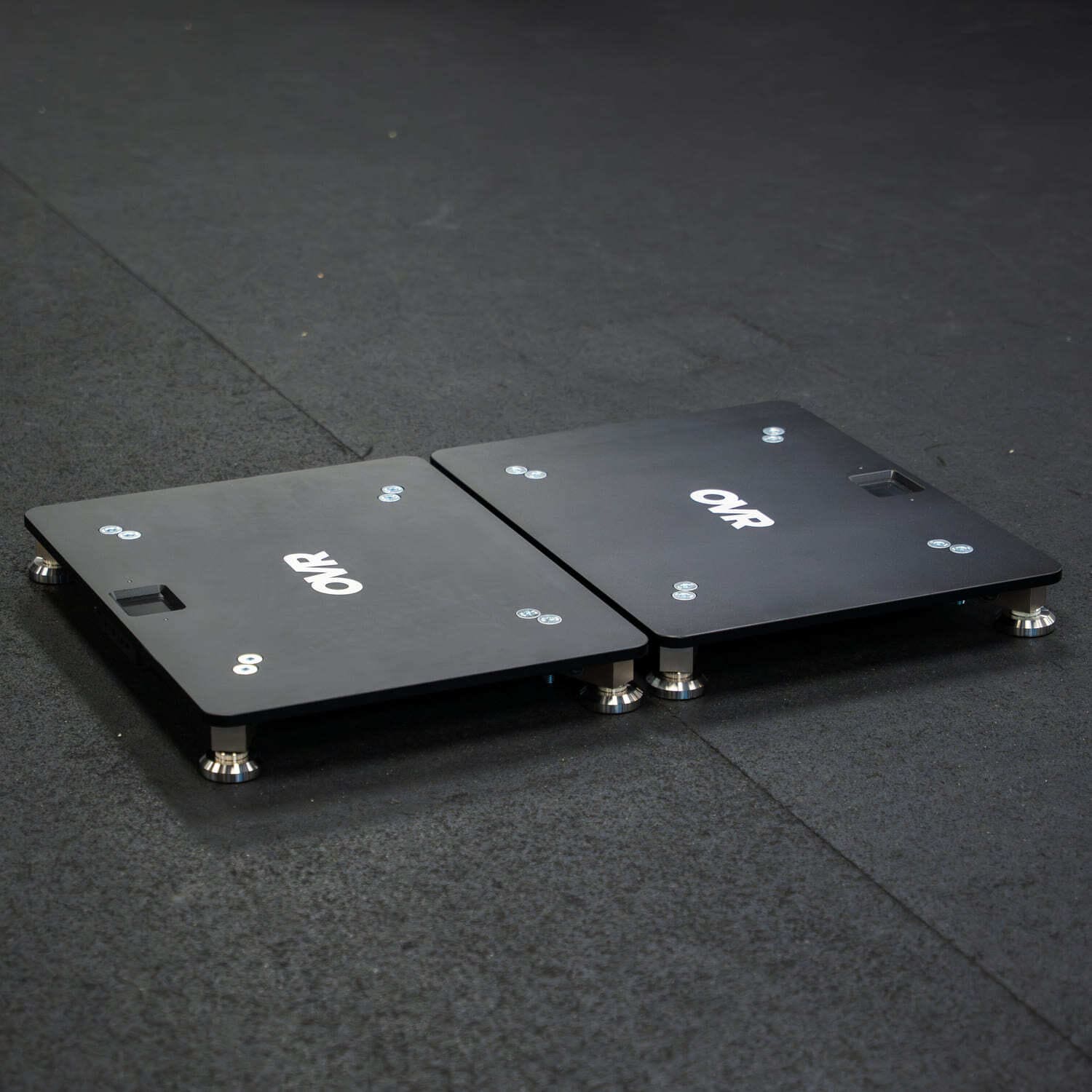
The 10 percent force plate asymmetry line is borrowed, not validated. Act only when the gap beats the athlete's own variability and repeats in direction.
Flight Time vs Impulse-Momentum: Why Your Force-Plate Jump Height Depends on the Method
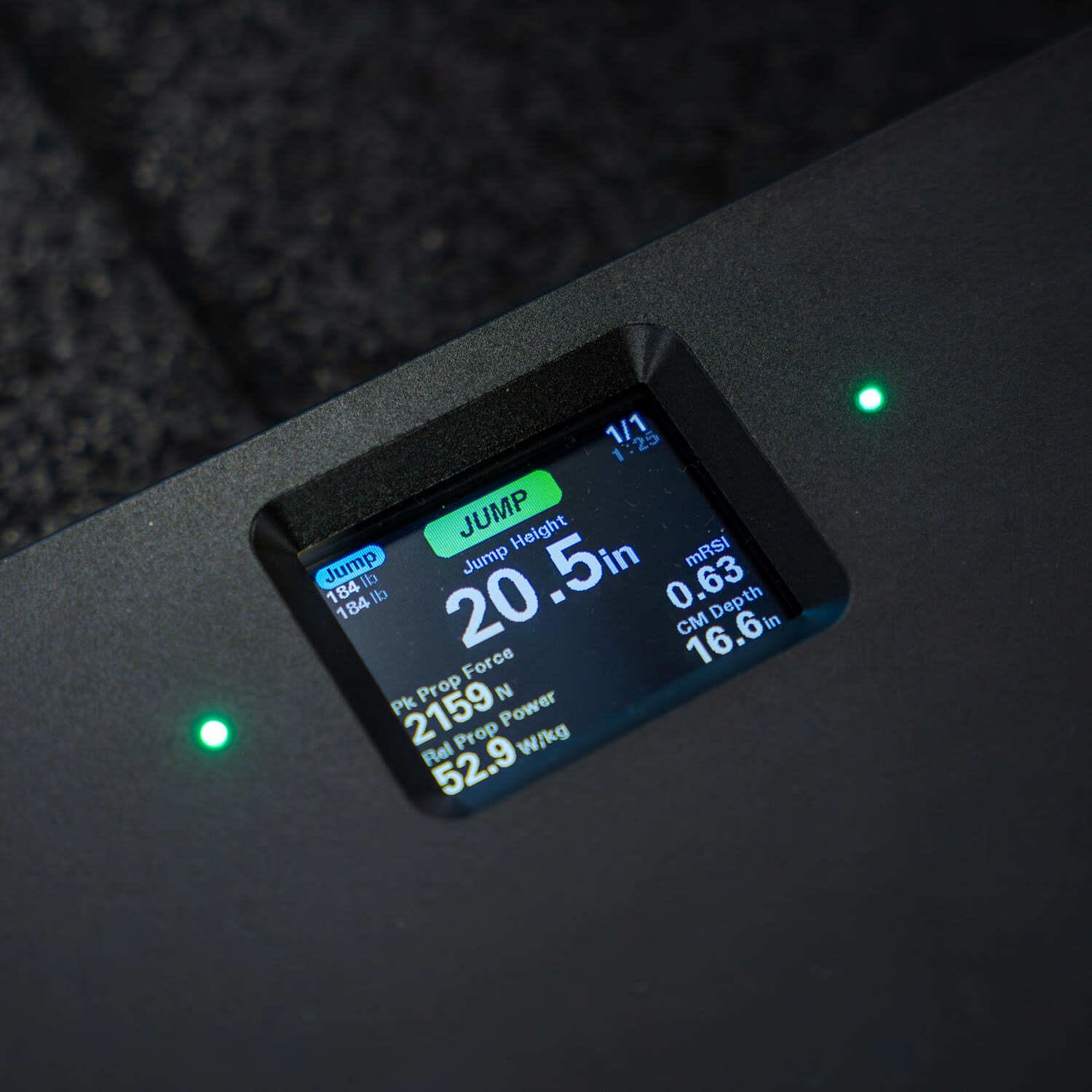
Flight time vs impulse-momentum jump height: why the same force-plate jump gives two numbers, which one OVR Force uses, and how to compare a number to a benchmark without getting it wrong.

Track Performance Across a Full Season With Force Plates
Run the same baseline, retest, trend, act loop pro programs use with one force plate. What to track, how often, and how to tell a real change from noise.
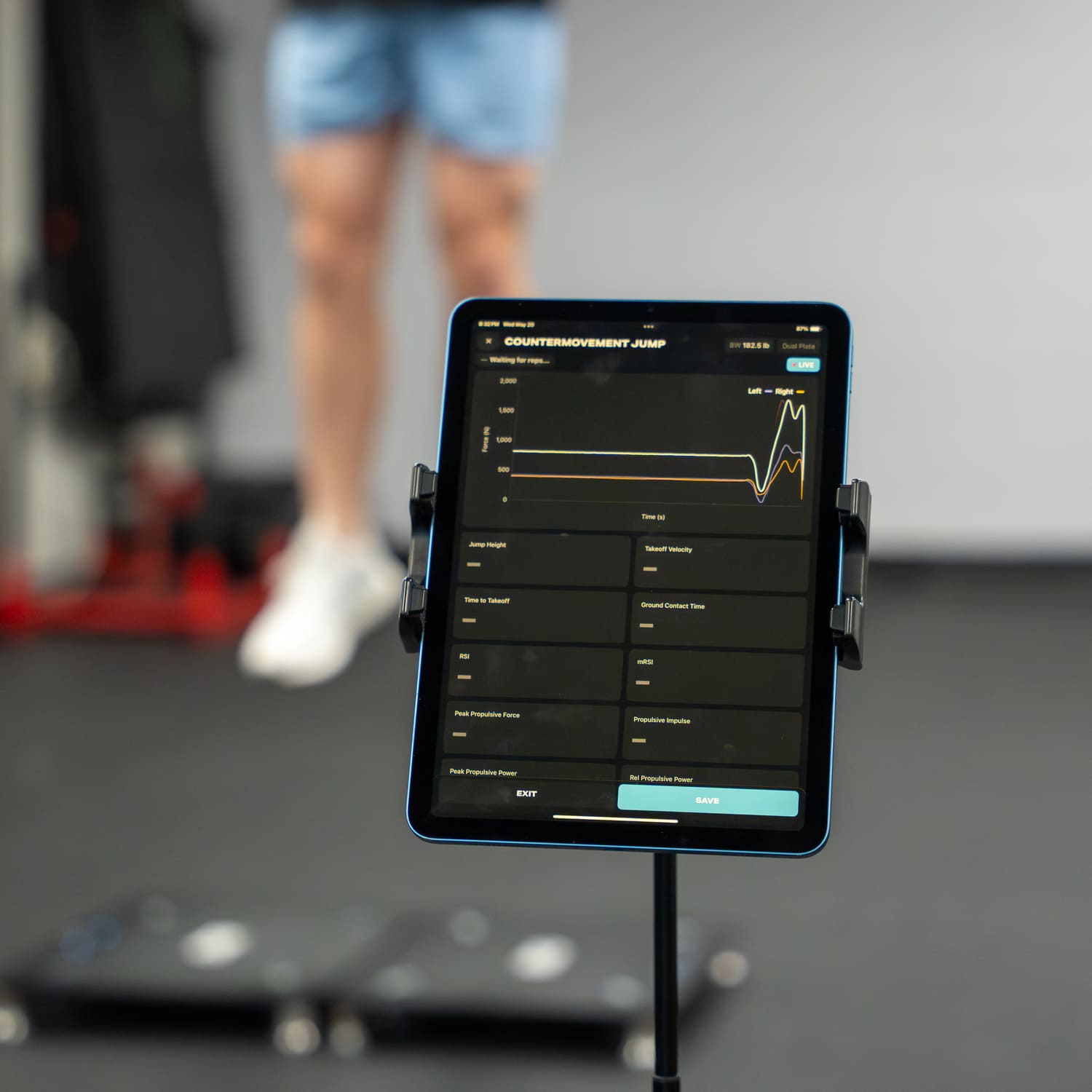
How to Build an Athlete Baseline Profile with Force Plate Data
Build a per-athlete force plate baseline: which metrics repeat, what to standardize, how many trials, and how to tell a real change from daily noise.
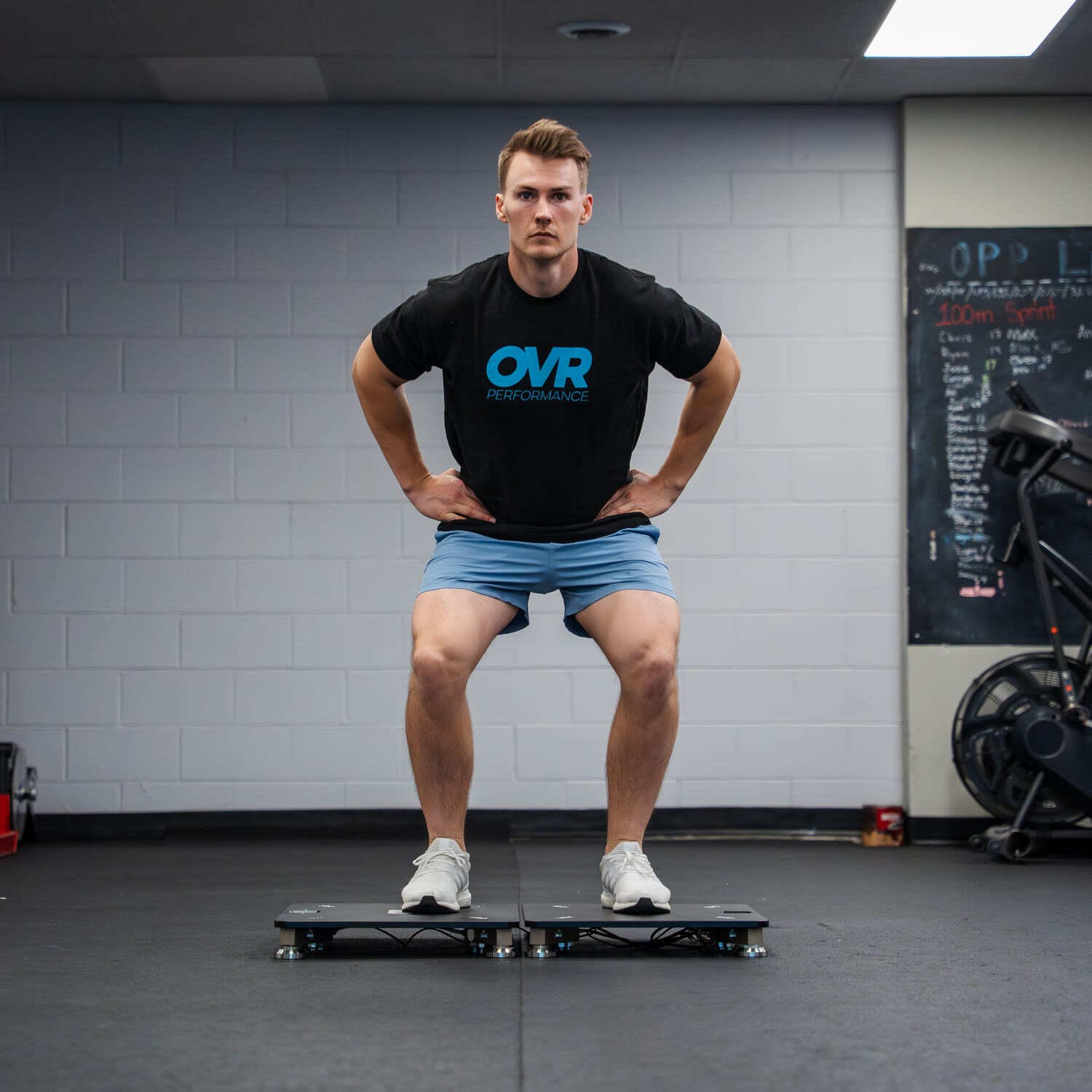
How to Monitor Athlete Readiness and Fatigue with Weekly CMJ Testing
Use a weekly countermovement jump to monitor athlete readiness and fatigue: which two or three metrics to watch and what to change when a number drops.