




The number that gets a piece of equipment approved is rarely the number that decides whether it was a good buy. A one-time purchase and a subscription require different budgets, cost very different amounts over a few seasons, and leave you owning very different things at the end. The sticker price tells you almost nothing on its own. The market for force plates splits between systems you own outright and systems you only ever rent access to, which makes them the clearest way to see the one-time versus subscription tradeoff. If the category is new to you, it is worth knowing what a force plate actually measures before you weigh how to pay for one. If you write the purchase request and defend it to whoever signs the check, the multi-year math below is the part nobody hands you in the demo.
The Sticker Price Is the Smallest Number
Most of what a piece of equipment costs shows up after you buy it. Gartner's total-cost-of-ownership work, summarized in vendor TCO guides, pegs roughly 80 percent of the lifetime cost of equipment and IT to the period after the initial purchase, and nearly half of that later cost sits outside the buying department's own budget. Buyers who anchor only on the sticker price typically watch the true total climb 15 to 20 percent once the recurring and invisible costs land.
The standard way to compare two purchases is total cost of ownership over a five-year horizon: acquisition plus operating costs plus maintenance plus downtime plus disposal across the life of the asset. For a one-time piece of hardware, most of that math is front-loaded and predictable. For a subscription, the operating line never stops. A recurring fee is not a footnote to the price. It is part of the price, and it keeps building long after the demo.
Run the Multi-Year Math
Every subscription has a crossover year, the point where the running total quietly passes what a one-time purchase would have cost. In general software that crossover sits around five years: a twenty-dollar-a-month tool reaches roughly 1,200 dollars over five years, usually more than a comparable one-time alternative. For performance equipment the dollar figures run larger, so the gap opens faster.
Here is a realistic example of the pattern, not tied to any specific vendor. Compare two force plate setups, the kind you weigh when choosing the right force plate. The first is an ownership model where you buy the plate once, somewhere in the low 3,000s, with no recurring software fee, and own the hardware on day one. The second is a lease or subscription-only model that runs somewhere in the 9,000 to 11,000 dollar range across three years, with nothing owned at the end. Very different three-year totals, and very different outcomes: one leaves you a plate, the other nothing once billing stops. Here the crossover comes early, not at year five, so the one-time buyer is usually ahead within the first year or two.
Two more things bend the math against the subscription. The number you sign is not the number you keep paying: SaaS prices have risen around 8.7 percent a year on average, with one analysis putting 2025 closer to 11 percent, and without a negotiated cap a vendor can raise a renewal 20 to 30 percent. Most of these agreements also renew themselves, often with only a 60-day window to give notice and an automatic increase baked in. The plan you priced in the demo is now the minimum you pay, sometimes without a ceiling.
You Are Either Buying a Tool or Renting Access
When you stop paying a subscription, you find out what you actually bought. With a lease-only model the answer is often nothing: the hardware was never yours, so it becomes a paperweight and platform access ends with the final payment. An owned device keeps working offline, holds resale value, and costs nothing extra during any stretch when you are not testing. A monthly fee keeps charging through those gaps and through coaching changes whether or not anyone runs a test. Cross-industry data shows more than half of software subscriptions get paid for and barely used, with education wasting more than any other sector.
The part that hurts most is the data. Longitudinal athlete data is the entire point of testing: multi-season baselines, asymmetry trends, return-to-play comparisons that only mean something when you can line up this month against eighteen months ago. If that history lives only inside a vendor's hub, lapsing the subscription can mean losing access to your own years of context.
This is a known pattern across software. Data can get restricted or purged on cancellation, proprietary formats and fee-gated exports limit what you can take with you, and switching costs often run past 18 to 24 months of the price hike you were trying to escape. Protect yourself in the contract: get a guaranteed full export in a standard format, covering the term and 30 to 90 days after it ends.
The Budget Line Nobody Plans For
A one-time purchase and a subscription live in different parts of the budget, and that changes who has to keep approving them. A capital expense buys a long-term asset: it goes on the balance sheet, depreciates over its useful life, and clears with a single approval. An operating expense is recurring: it hits the income statement every period and has to survive every budget cycle. A large capital request can be slow, since it may need board sign-off, but it clears once and rolls off your recurring obligations, while an operating subscription gets re-justified every year and is exposed to every annual cut.
For an athletic program, that distinction is the whole game. Under zero-based budgeting a program starts at zero and the coach justifies each line every year, so a subscription gets re-litigated annually while a one-time capital buy is defended once and done. A finite, defensible number is an easier yes than an open-ended fee. Funding source matters just as much. Grant and booster money is rarely guaranteed to recur, often voted per request in the 1,000 to 25,000 dollar range, and it maps cleanly onto a one-time buy but poorly onto a subscription that needs fresh funding every renewal. Capital budgets can roll over so you save toward a purchase; operating budgets are use-it-or-lose-it. None of this means the shift toward subscriptions is pure spin. K-12 technology budgets really are moving from capital to operating to smooth spending, and for some tools that is a sound call. Just make it on purpose, not by default.
When a Subscription Is the Right Call
A subscription makes sense under specific conditions, and pretending otherwise would be dishonest. It fits when features ship fast and you want the latest version without re-buying the whole system, when hardware refresh, warranty, and support are bundled into the fee so a failed unit is the vendor's problem rather than a new capital request, when the vendor truly lets you export everything so you are renting convenience instead of lock-in, and when the tool is something you could not realistically host or maintain yourself.
The bar is whether the ongoing fee buys something you keep needing. If the device measures force the same way in year four as it did in year one, you are paying rent on a tool that stopped changing. If the platform genuinely improves every season and the fee covers real support and refresh, the recurring cost is buying something real. Decide which one you are looking at first, before the demo.
Two Questions to Ask Before You Sign
Two questions sort the market faster than any spec sheet. First: what is the all-in five-year cost, including hardware, software, support, and every renewal increase? A vendor who answers that cleanly is selling you a number you can take to a budget holder; one who cannot is telling you the open-ended part is where the cost lives. Second: if I stop paying, do I keep the device, and do I keep my athletes' data? The answer separates a tool you own from access you rent, and it settles the lock-in question while you still have a say, before the contract is signed rather than after.
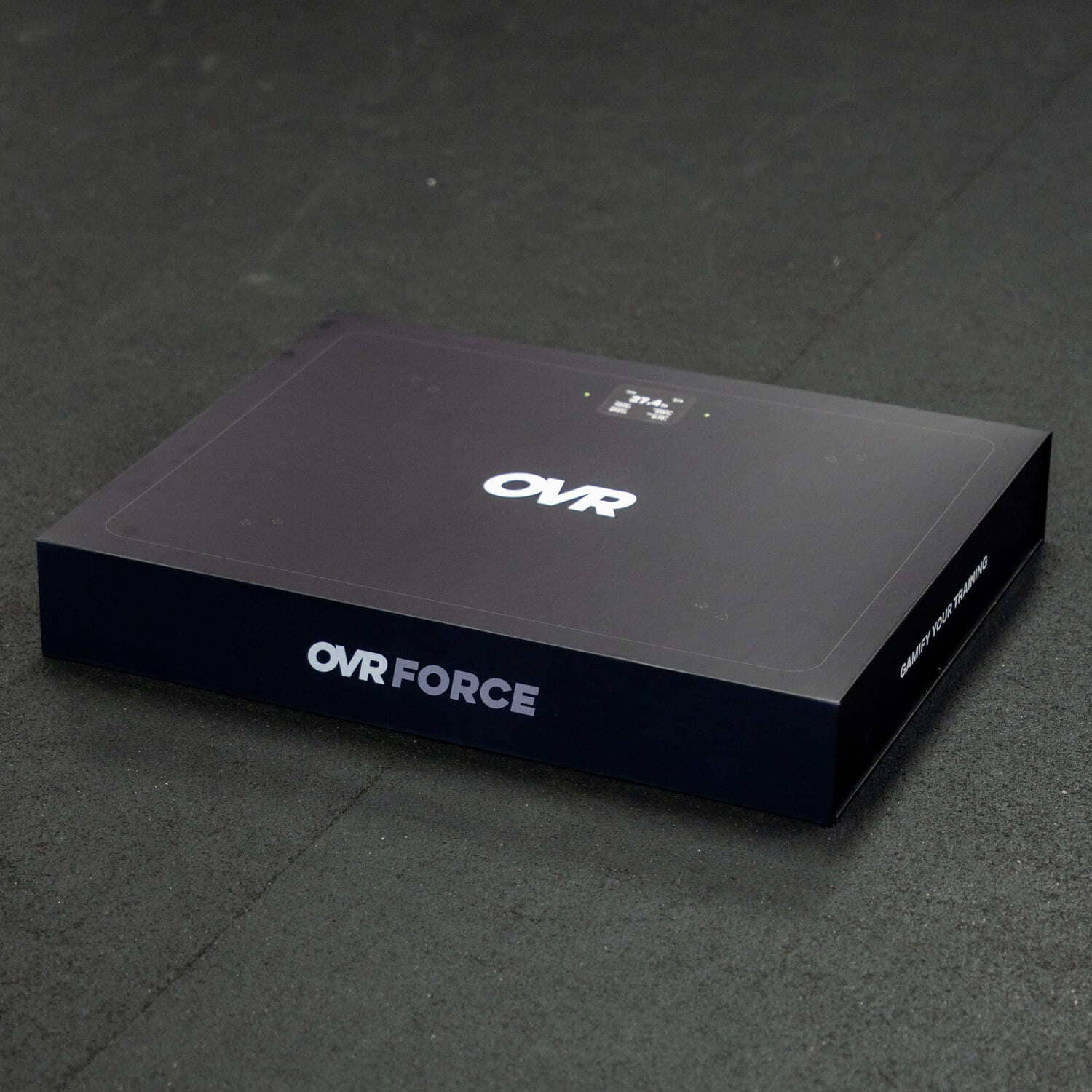
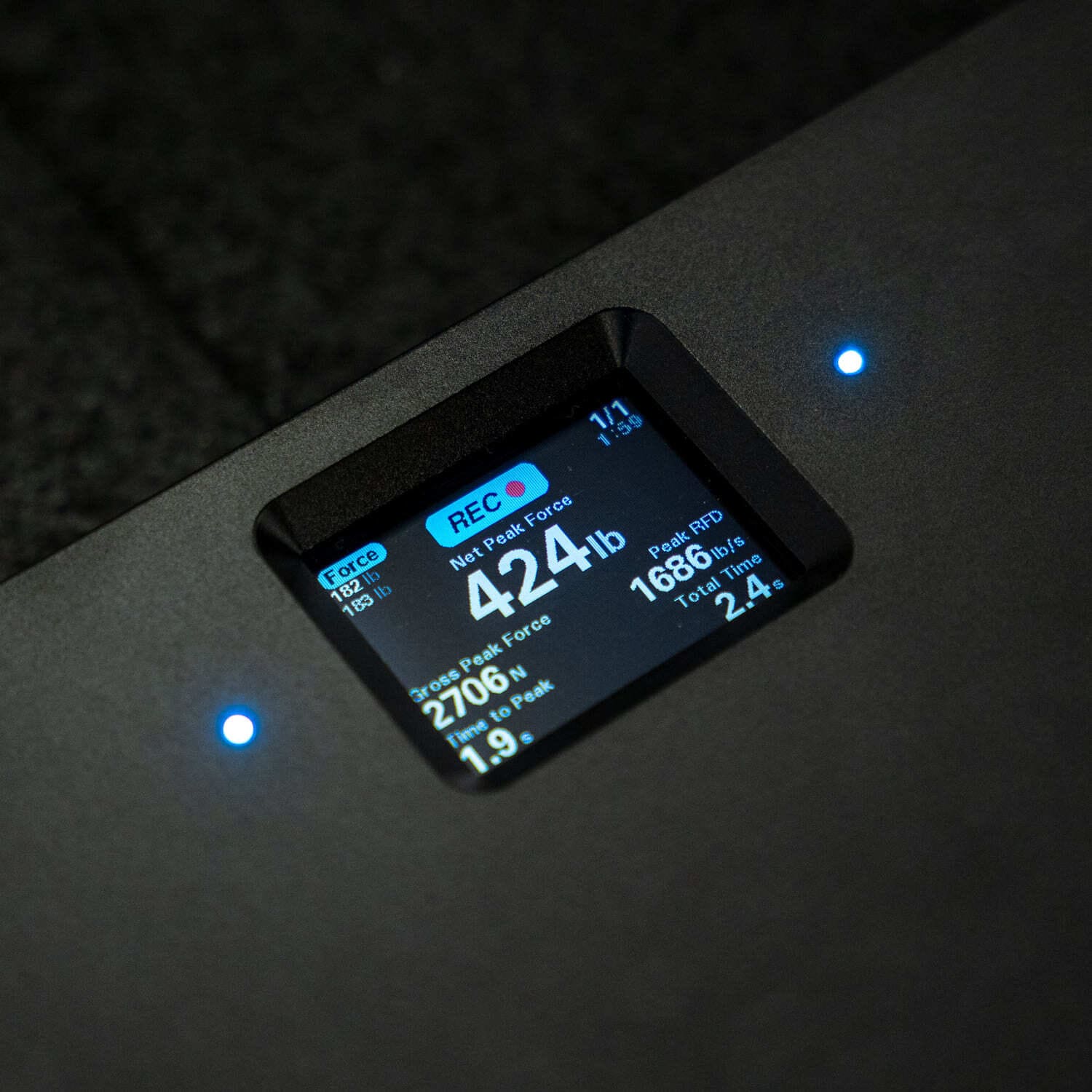
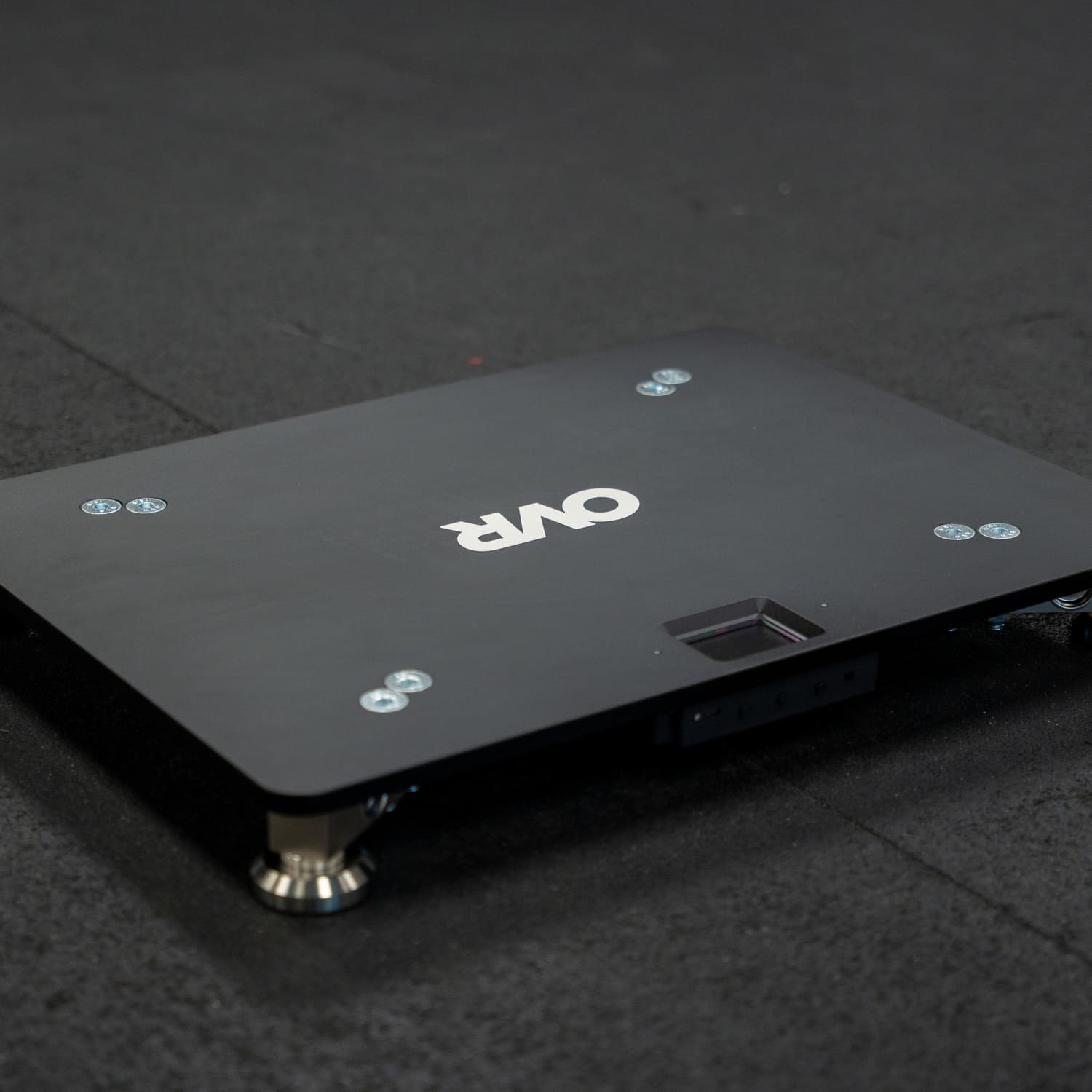
This is not an argument that one-time purchases are always right and subscriptions always wrong. It is an argument that you, the person signing the request, should run the multi-year math and ask those two questions first. For a lot of programs that thinking lands on no-subscription, data-portable hardware like the OVR Force plate, where you own the device and the free OVR Connect app carries no recurring cost. For others, a well-supported subscription is the better fit. Either way, the buyer who runs the numbers controls the decision, and the sticker price was never going to make it for them.
Sources
- Gartner, Total Cost of Ownership (TCO) glossary: https://www.gartner.com/en/information-technology/glossary/total-cost-of-ownership-tco
- Lendis, Total Cost of Ownership guide: https://www.lendis.io/en/guide/it-ausstattung/beschaffung-finanzierung/total-cost-of-ownership/
- WalkMe, Total Cost of Ownership: definition, formula & examples: https://www.walkme.com/blog/total-cost-of-ownership/
- TechRadar Pro, Subscription vs one-time purchase software true cost: https://www.techradar.com/pro/software-services/subscription-vs-one-time-purchase-software-we-analyzed-the-true-cost-for-smbs
- SaaStr, The Great SaaS Price Surge of 2025: https://www.saastr.com/the-great-price-surge-of-2025-a-comprehensive-breakdown-of-pricing-increases-and-the-issues-they-have-created-for-all-of-us/
- SoftwareSeni, Why SaaS Prices Are Rising 4x Faster Than Inflation: https://www.softwareseni.com/why-saas-prices-are-rising-4x-faster-than-inflation-and-what-you-can-do-about-it/
- Juro, Guide to auto-renew contracts: https://juro.com/learn/auto-renew-contracts
- Sirion, Automatic contract renewal clauses: https://www.sirion.ai/library/contracts/automatic-contract-renewal/
- SimpliFaster, A Strength Coach's Guide for Buying Force Plates: https://simplifaster.com/articles/buyers-guide-force-plates-strength-coach/
- JLW, Digital Force Plate Comparison: https://jlwforce.com/blogs/strength-assessment-and-physiotherapy-blog/how-to-choose-the-right-force-plates-for-your-practice
- Ramp, The Hidden Cost of Unused Software Licenses: https://ramp.com/blog/unused-software-subscriptions
- EZO AssetSonar, Optimizing SaaS Spend: https://ezo.io/assetsonar/blog/stop-bleeding-money-on-unused-softwareoptimizing-saas-spend/
- SmartSaaS, SaaS data ownership & portability: https://smartsaas.works/blog/post/saas-data-ownership-and-portability-dont-be-a-vendor-hostage/95
- Jotform, SaaS vendors holding data hostage: https://www.jotform.com/blog/saas-vendors-holding-data-hostage/
- Genie AI, SaaS vendor lock-in: data portability & exit rights: https://www.genieai.co/en-us/blog/contract-saas-vendor-lock-in-legal-strategies-to-maintain-data-portability-and-exit-rights
- US Chamber of Commerce, CapEx, OpEx, and COGS explained: https://www.uschamber.com/co/run/finance/capex-opex-and-cogs-explained
- Splunk, CapEx vs OpEx guide: https://www.splunk.com/en_us/blog/learn/capex-vs-opex.html
- CoSN, Technology budgets: moving from CapEx to OpEx: https://www.cosn.org/technology-budgets-moving-from-capital-expense-capex-to-operational-expense-opex-2/
- Coach & Athletic Director, Four popular budgeting styles used in athletic programs: https://coachad.com/articles/four-popular-budgeting-styles-used-in-athletic-programs/
- TeamBuildr, Budget Management for High-Performance Programs: https://blog.teambuildr.com/budget-management-for-high-performance
- NSCA, Sample Job Description, HS Strength and Conditioning Coach: https://www.nsca.com/education/high-school-athletic-directors-resources/sample-job-description--full-time-strength-and-conditioning-coach/
- All Kids Play, Youth Sports Grants: https://allkidsplay.org/youth-sports-grants/

Leave a comment
This site is protected by hCaptcha and the hCaptcha Privacy Policy and Terms of Service apply.